

Classroom Strategies
.
August 2026
Building the Foundation for a Successful School Year
A new school year brings fresh opportunities to build routines, strengthen relationships, and create learning environments where students can feel confident and supported from day one. Whether you’re preparing a classroom, helping students transition from summer routines, or partnering with caregivers, thoughtful planning now can make the first weeks of school smoother for everyone. This month, we’re highlighting practical back-to-school strategies and STAR resources to help educators and families start strong.
Start With Structure at Home
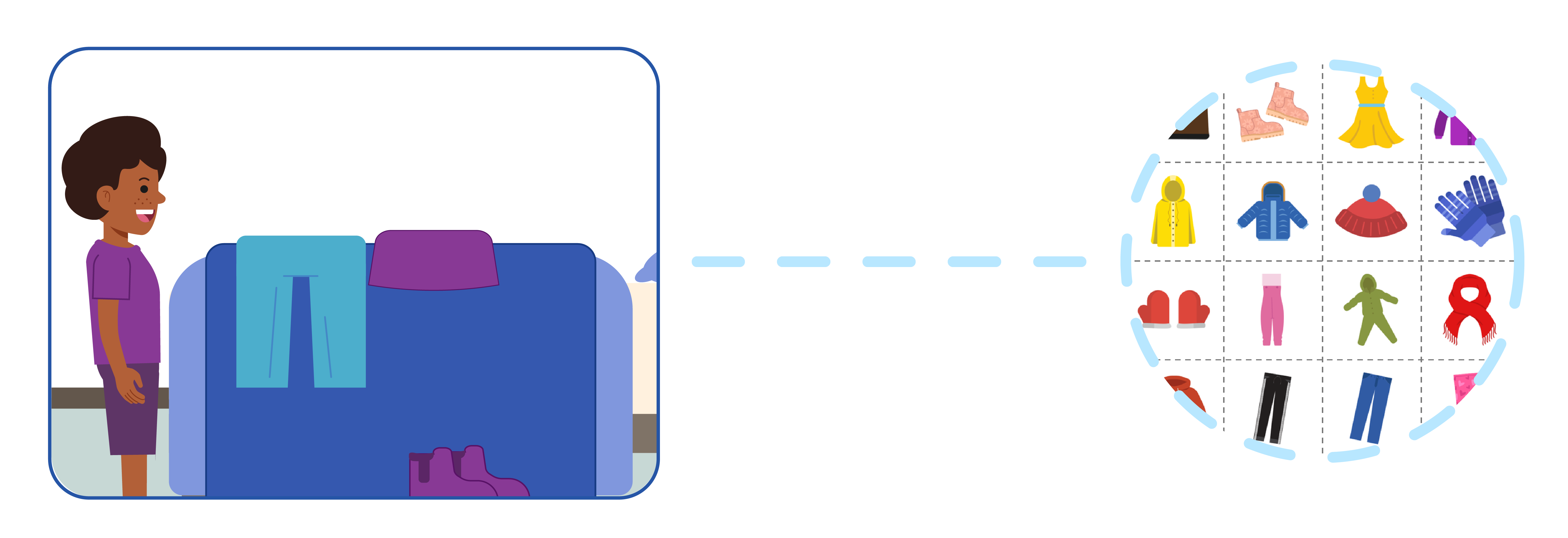
Back-to-school success often begins before students walk through the classroom door. Families can help ease the transition by gradually reintroducing school-year routines, such as earlier bedtimes, morning hygiene, getting dressed, eating breakfast, and preparing backpacks. Small practice steps can make a big difference. For example, caregivers might do a “practice run” of the morning routine, including waking up, getting dressed, packing a bag, and traveling to school or reviewing what arrival will look like.
- Visual supports can also help students understand what comes next and participate more independently in daily routines. STAR’s Getting Dressed Sequence Strip (English | Español) is a practical example of a simple visual sequence that breaks getting dressed into clear steps.
Get to Know Students Early
The beginning of the year is an important time to learn about each student’s strengths, preferences, interests, communication style, and support needs. Activities like student surveys or caregiver questionnaires can help build meaningful connections from the start.
- Encourage students and families to complete the All About Me worksheet (English | Español) to help staff learn about student needs and preferences.
- Using reinforcement inventories (English | Español) is an effective way to identify what motivates each student. Having preferred items, activities, or interactions available early in the year can help teams celebrate progress, shape emerging skills, and support engagement during instruction.

Prepare the Classroom for Predictability and Independence
In the classroom, structure and predictability are key. A well-organized space helps students understand expectations, move through routines more independently, and stay engaged throughout the day.
Start by thinking about how the classroom layout supports different types of instruction and activities. Consider creating clear areas for:
- Arrival and belongings
- Group instruction
- One-to-one instruction
- Independent work
- Leisure or break time
- Snack, self-care, or daily routines
- Transitions between activities
STAR’s Classroom Maps (Early Childhood: English | Español | Primary: English | Español | Secondary English | Español) emphasize the importance of room arrangement and distinct instructional areas for supporting predictability and independence.
Use Visual Supports Throughout the Day
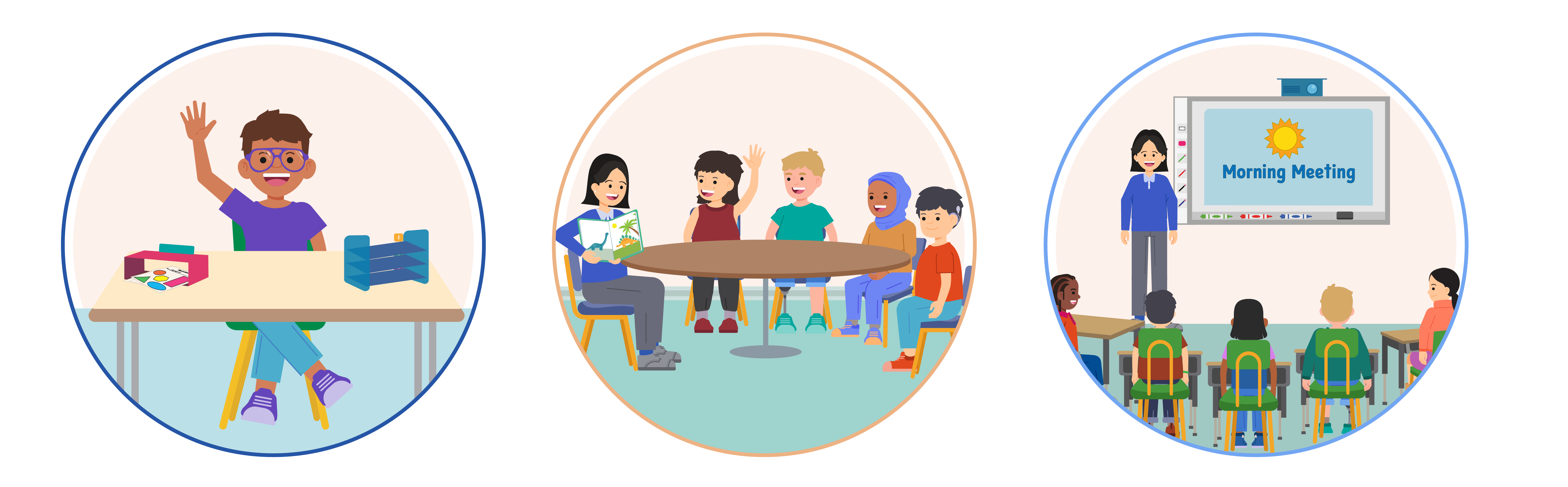
Visual supports are especially helpful during the first weeks of school because they make expectations clear and reduce the need for repeated verbal reminders. They can support routines such as arrival, transitions, group time, bathroom/self-care, snack, recess, and dismissal. Examples include:
- Individual visual schedules
- Mini-schedules for specific routines
- First/then boards
- Classroom labels
- Transition visuals
- Choice boards
- Task strips
- Written checklists
Back-to-school season is a time to reset, reconnect, and build strong foundations. By establishing predictable routines, preparing organized learning environments, using visual supports, and partnering with caregivers, educators can help students begin the year with confidence. With the right tools and a collaborative approach, the start of the school year can become a meaningful opportunity to support independence, connection, and growth.
Looking for additional back-to-school resources? Contact us to learn more!
Each month you'll receive:
Free, ready-to-use classroom resources
Expert tips and implementation strategies
Practical ideas to increase student engagement and learning